Maritime City Dubai: Opportunities in a Coastal Hub
Intro
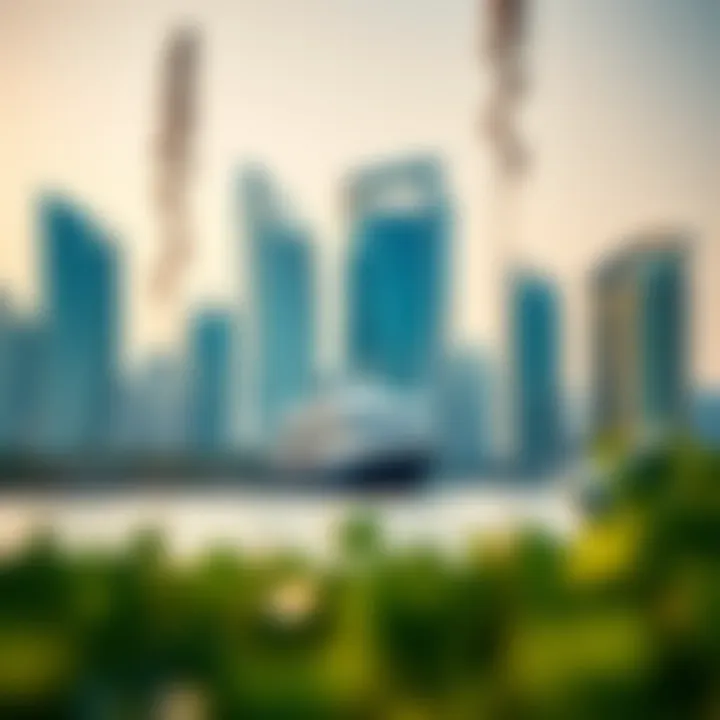
Dubai’s Maritime City presents a unique tapestry where investment opportunities meet coastal living. This area stands out not only for its strategic location but also for its vision to redefine urban maritime experiences. As global cities evolve, Dubai has carved out a niche that appeals to investors, homeowners, and those keen on experiencing luxury by the water. Through its blend of historical character and modern design, Maritime City embodies the dynamic spirit of a thriving maritime hub.
Understanding what Maritime City has to offer goes beyond the surface. It weaves together the past and future into a living narrative of architecture and commerce. Any investor or prospective homeowner looking at Dubai's real estate scene must look closely at this area, as it holds potential that may not be quickly evident. It's essential to navigate these waters with a keen eye on current market trends, economic shifts, and emerging opportunities.
This exploration begins by seeking to uncover the current market insights, examining indicators that govern performance, followed by strategic investment approaches tailored for newcomers and seasoned investors alike.
Preamble to Maritime City Dubai
Maritime City Dubai stands at the intersection of innovation and tradition, representing a bold step in the development of the emirate's coastal landscape. It is a newly formed, man-made island dedicated to nurturing the maritime sector while improving the overall lifestyle of its inhabitants. This urban development goes beyond mere aesthetics; it symbolizes Dubai's aspirations to emerge as a global maritime hub. Understanding Maritime City is paramount, particularly as it opens doors to many investment opportunities and quality living options that appeal to a diverse group, including inland investors and global stakeholders.
In this bustling city, one can witness a synergy between commercial, residential, and recreational aspects. Each of these elements plays a crucial role in supporting a thriving community focused on the maritime economy.
Key Elements to Consider:
- Strategic Location: Positioned near the Dubai Dry Docks and Port Rashid, Maritime City is perfectly situated for maritime activities. This accessibility enhances its attractiveness to investors and maritime businesses alike.
- Sustainable Infrastructure: Environmentally conscious designs highlight the commitment to sustainability, potentially yielding long-term benefits in terms of cost saving and resource efficiency.
- Variety of Offerings: From luxurious residential options to modern commercial spaces, Maritime City caters to distinct lifestyles and business needs, making it a prime target for potential homeowners and investors.
With a keen focus on economic viability, the area’s real estate sector is expected to boom, rendering it a hotbed for both residential and commercial developments. The combination of location, infrastructure, and a vibrant community forms the bedrock of what makes Maritime City an exciting prospect for discerning investors and future homeowners alike.
As Dubai continues to grow, the comprehensive examination of Maritime City will shed light on the shifting paradigms in urban development. Investors, homeowners, and real estate professionals can glean insights from this development context, allowing them to navigate emerging opportunities in this coastal enclave successfully.
"The future of Dubai is not only about skyscrapers; it’s about building a sustainable living landscape that nourishes both life and economy."
Historical Context
Understanding the historical context of Maritime City Dubai is essential to grasp its significance as an emerging hub of investment and lifestyle opportunities. This coastal development isn't just a product of modern engineering and architectural wonder; it's a tapestry woven from the rich heritage of Dubai. The historical roots inform not only its current layout and design but also the economic prospects it nurtures. Knowledge of the origins and development of this area can guide investors, homeowners, and industry professionals in reviewing its potential.
Origins of Maritime City
The seeds of Maritime City were sown during Dubai's transformation into a global trade center. Historically, Dubai has been a critical juncture for traders and sailors, linking the East and West. The maritime industry has been pivotal for the emirate, providing a backbone for commerce that flourished for centuries.
This coastal locale was envisioned as a dedicated maritime zone in the early 2000s, a strategic decision to capitalize on its rich naval heritage while fostering modern advancements in commerce and living. The goal was to create a space that honored its roots while positioning Dubai as a key player in global maritime activities. The commitment to this vision became a driving force behind the extensive planning and investment in Maritime City.
Development Timeline
The development timeline of Maritime City can be broken down into distinct phases, each reflecting the evolving aspirations of the emirate:
- Initial Planning (2003 - 2005): The Dubai Government approved the Maritime City project, highlighting the ambition to create a dedicated maritime cluster that included ports, residential areas, and commercial properties.
- Construction Kickoff (2006 - 2010): As the heavy machinery roared to life, the groundwork was laid. An ambitious plan began to take shape, focusing on creating a sustainable and integrated urban environment. An array of marine facilities was developed alongside infrastructural advancements.
- Major Milestones (2011 - 2015): The development came to fruition with significant completion of infrastructure. Various residential units and waterfront commercial spaces started to populate the area. Groundbreaking designs manifested, echoing the rich maritime heritage that had come before.
- Ongoing Enhancements (2016 - Present): As the world continues to shift, so does Maritime City. Development is ongoing, embracing sustainable practices and smart technologies. The emirate's vision keeps evolving, aiming for an enchanting blend of tradition and contemporary living.
The development of Maritime City stands as a testament to Dubai’s nimble adaptability to global trends while preserving and elevating local heritage. Understanding these historical roots offers deeper insights into why this area is poised as an attractive investment opportunity and residential haven. The real estate market here reflects the cultural respect for the past while catering to modern needs, ensuring a vibrant community that thrives on both nostalgia and futurism.
"A city's real estate is not simply built on bricks and mortar; it’s crafted from the dreams and aspirations of its people, anchored in its history."
Architectural Significance
Dubai's Maritime City stands as a testament to modern ingenuity intertwined with its cultural heritage. This section delves into the architectural significance of the area, highlighting unique elements that set it apart, its benefits to the local community, and considerations that resonate with investors and potential homeowners alike.
Design and Aesthetics
The design element of Maritime City is nothing short of spectacular. The developers have taken great care to blend functionality with aesthetics, creating an environment that is visually appealing yet incredibly practical. The use of contemporary Maritime-inspired architecture gives the skyline a unique identity, with buildings that mimic the shape of sails and waves. These designs do not just serve an artistic purpose; they echo the maritime legacy of Dubai, bringing a piece of history into the modern era.
Buildings are strategically placed to optimize views of the waterfront, which naturally enhances both residential and commercial appeal. When you walk through the neighborhoods, it’s hard to overlook the thoughtful layout that incorporates parks and green spaces amongst the towering skyscrapers. This allows residents to enjoy a harmonious balance between urban living and nature—not something one finds everywhere.
Additionally, sustainable practices are prominent in the construction philosophy here. Architects are increasingly focusing on eco-friendly materials and energy-efficient technologies. This approach not only meets contemporary demands for sustainability but also significantly reduces long-term operational costs for building owners.
"The heart of beautiful architecture is the recognition of the beauty of nature and the importance of human experience within it."
In summary, the design and aesthetics of Maritime City blend practicality with art, enhancing its appeal for high-end investors and potential homeowners, proving that beauty and function can coexist.
Landmark Structures
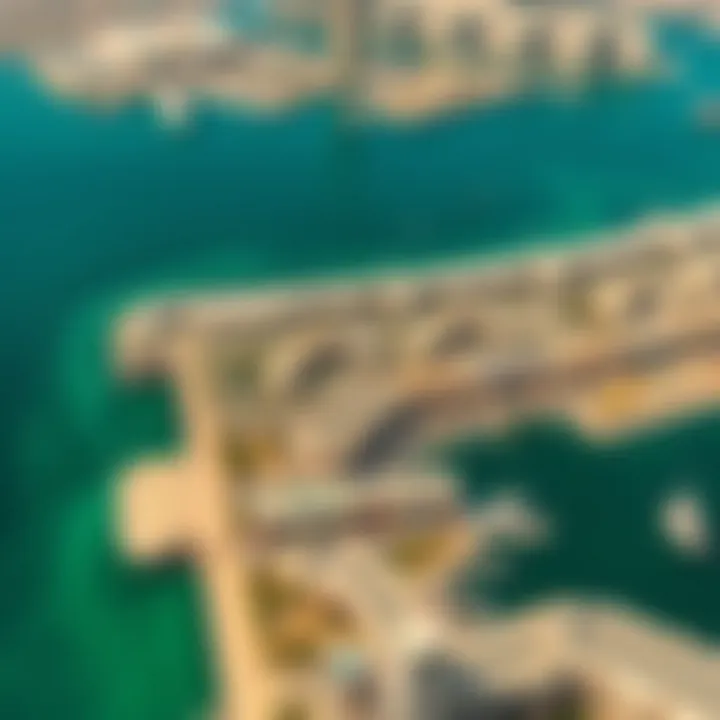
Turning our attention to landmark structures, Maritime City boasts some of the most iconic buildings that not only serve as residences but also as symbols of Dubai's growth and ambition. One cannot overlook the influence of modern architecture seen in structures like the Dubai Maritime Museum and the various multi-functional complexes embracing the waterfront.
These focal points are more than just places to live or work; they are designed to foster a sense of community while drawing in tourists and locals alike.
Notable Landmarks:
- The Dubai Maritime Museum: This facility integrates both education and tourism, highlighting maritime history and engaging visitors with interactive exhibits.
- Luxury Residential Towers: These high-rise buildings offer uninterrupted views of the sea and are fitted with the latest amenities to attract both luxury renters and buyers.
- Cultural Hubs: Spaces designed for cultural events or community gatherings enhance the social fabric of the city and improve the quality of life for residents.
What is truly noteworthy is that these structures are strategically planned to not only enhance the skyline but also contribute positively to the overall urban experience in Maritime City. For investors, the architectural significance is not just aesthetic; it’s a gateway to understanding how thoughtful design can generate continued interest in property development and maintain high asset values.
Economic Landscape
The economic fabric of Dubai Maritime City is notably rich and multifaceted, making it a pivotal point in the broader scheme of Dubai's development. The vibrant economic landscape here is interwoven with critical factors contributing to investment potentials, the local economy, and the overall livability of the area. As it stands, the Maritime City offers an array of opportunities for investors, homebuyers, and businesses, all of which generate interest from diverse stakeholders.
Investment Climate
The investment climate within Maritime City Dubai is thriving, influenced by a cocktail of strategic initiatives, policies, and infrastructural enhancements. The Dubai government’s proactive approach in enhancing trade and commerce has bolstered investor confidence, drawing not just local capital but also foreign direct investments.
A few critical influences are:
- Free Zone Advantages: Investors enjoy a host of incentives in free zones, including full foreign ownership and tax exemptions for a period of time. This has become a major attractant for many businesses.
- Infrastructure Development: Continuous upgrades in infrastructure ensure seamless connectivity. Major thoroughfares like the Sheikh Zayed Road make access straightforward for logistics and commuting.
- Regulatory Framework: A transparent legal framework fosters a secure environment for investment, allowing for smoother transactions and protecting investor rights.
The projected growth in sectors like tourism and logistic services also promises lucrative avenues for investment. In summary, investors in Maritime City are not just purchasing property; they are tapping into a goldmine of potential, with returns that can be realized through diverse channels.
Impact on Local Economy
The ripple effects of Maritime City’s economic activities extend throughout the local economy, echoing in various sectors. As new businesses set up operations and real estate developments progress, several pivotal changes occur:
- Job Creation: The expansion fosters employment opportunities ranging from construction jobs to those in hospitality and retail, ensuring the unemployment rate remains relatively low.
- Increased Demand for Services: With a growing population comes increased demand for healthcare, education, and recreational facilities. This rise not only invigorates community growth but also enhances the overall living experience for residents and employees alike.
- Enhanced Global Trade: Positioned strategically by the waterfront, Maritime City capitalizes on trade routes. Its port facilities play a significant role in bolstering trade, which, in turn, stimulates local businesses and creates a ripple effect through various sectors.
As such, the economic landscape of Maritime City is not merely a backdrop; it is an active participant in shaping the socioeconomic dynamics of the region.
Investing in Maritime City isn’t just about real estate; it’s an entry point to a wider economic ecosystem that continually evolves.
Prominent resources to further explore the economic landscape include Wikipedia, Britannica, and local business news outlets for firsthand shadows of market trends and forecasts.
Real Estate Prospects
Understanding the real estate prospects in Dubai's Maritime City is crucial for anyone looking to invest or reside in this fast-evolving area. With a strategic coastal location, this region is not only a hub for maritime industries but also a fertile ground for residential and commercial growth. The potential benefits from investing in real estate here are vast, ranging from high-end luxury developments to affordable options suited for various demographics. However, navigating this market requires keen awareness of current trends, regulatory considerations, and economic indicators.
Residential Developments
Luxury Apartments
Luxury apartments in Maritime City stand out for their exquisite design and high-end amenities. Offering panoramic views of the Arabian Gulf and Dubai skyline, these modern dwellings are crafted to provide comfort and prestige. What sets luxury apartments apart is the focus on community living, often featuring private pools, gyms, and lush landscaped gardens.
One key characteristic is the integration of smart home technology, which enhances convenience and energy efficiency. Such features have made luxury apartments highly appealing to affluent individuals, expatriates, and investors seeking premium properties. The strategic location adds to the allure, as residents enjoy proximity to both key business districts and entertainment options. However, while these properties promise high returns, the initial investment can be considerable, raising the stakes for potential buyers.
Affordable Housing Options
On the flip side, affordable housing options in Maritime City cater to the growing need for budget-friendly living spaces. These units are designed with practicality in mind, offering essential amenities without the frills. The focus on affordability does not compromise on quality, with many developments featuring modern finishes and efficient layouts, appealing to young professionals and families.
A notable characteristic of affordable housing is the variety of floor plans available, allowing residents to choose according to their needs. This flexibility enhances their appeal, making them a popular choice among first-time home buyers. One should note that while these properties are generally more financially accessible, they may not offer the same level of luxury or exclusivity found in high-end developments.
Commercial Properties
Office Spaces
The office spaces in Maritime City are shaped to meet the ever-changing demands of businesses. With flexible layouts and modern facilities, these offices appeal to both startups and established companies. An outstanding feature of many office spaces is the incorporation of eco-friendly designs, which not only support sustainability but also reduce operating costs for tenants.


Moreover, the strategic location next to major transport links increases the attractiveness of these spaces for businesses looking to thrive in a competitive environment. While the market for office spaces appears strong, potential investors must be cautious of fluctuations in the post-pandemic economy, making thorough research essential.
Retail Units
In terms of retail units, Maritime City presents a canvas of opportunity for entrepreneurs and retail brands alike. With a growing population and a vibrant tourist sector, these spaces can become hotspots for profitability. The layout of retail developments often encourages foot traffic, particularly in high-traffic areas such as near residential complexes and public spaces.
A vital characteristic is the variety of unit sizes available, accommodating everything from boutique shops to larger chain stores. While the potential for success is enticing, business owners should consider the competitive landscape, keeping an eye on market trends and consumer preferences to tailor their offerings suitably.
The real estate landscape of Maritime City presents a fusion of luxury and affordability, catering to both elite investors and conscious consumers.
In summary, whether it’s luxury apartments laced with technology or affordable options that meet the needs of the many, Maritime City provides a dynamic real estate market. Coupled with robust commercial spaces, the area is poised for growth, though caution remains prudent amid its unique challenges.
Lifestyle Offerings
Understanding the lifestyle offerings in Dubai's Maritime City is crucial for investors and potential residents alike. This area is not just about pristine real estate or investment prospects; it's a blend of experiences and amenities that can significantly enhance quality of life. As the city evolves, it becomes imperative to grasp how these lifestyle elements contribute to both the draw and the sustainability of Maritime City.
Maritime Experiences
In Maritime City, the allure of the sea isn’t just a backdrop; it’s a central element of everyday life. The coastline provides a gateway to numerous maritime experiences that echo the traditional culture while blending in modern convenience. Think about sailing lessons or fishing tours right outside your doorstep. These not only serve recreational purposes but also foster a sense of community among residents. For those looking to invest, these experiences can be appealing perks that elevate property value.
It’s essential to note how the maritime culture is embraced in the daily activities of the community. Events such as local regattas or seafood festivals can strengthen bonds between residents and attract tourists, further enriching the lifestyle fabric of the area. This picturesque setting becomes ideal for families, young professionals, and retirees who cherish both adventurous pursuits and leisurely waterfront relaxation.
Recreational Facilities
Recreational facilities in Maritime City are designed to cater to diverse interests and age groups, enhancing the living experience. Sports enthusiasts will find a range of options from water sports to waterfront parks. Picture parks featuring jogging trails, cycling paths, and spaces for outdoor fitness classes. They cater to health-conscious individuals looking to integrate physical activity into their daily routine.
Moreover, community centers offer swimming pools, gyms, and even facilities for yoga or pilates, making it easier for residents to engage in active lifestyles. For family-oriented tenants, playgrounds and safe areas for children to play ensure peace of mind, allowing adults to enjoy their own downtime as kids engage in safe play.
"The combination of recreational facilities and maritime experiences positions Maritime City not just as a place to live, but as a vibrant community that thrives on connections and health."
Each element carefully crafted in Maritime City’s developmental blueprint speaks to a larger narrative of well-being, balance, and enriched living. For homeowners and developers alike, recognizing these lifestyle offerings as valuable assets can shape investment decisions and community planning significantly.
As we look to the future of Maritime City, keeping an eye on how these lifestyle aspects evolve will be key for everyone involved.
Transportation and Connectivity
In any coastal urban area, effective transportation and connectivity are essential components that can greatly influence its overall development. In the context of Maritime City Dubai, these aspects become even more critical due to the city’s unique geographic position and its emergence as a hub for both business and leisure activities. Understanding how residents and investors can navigate this space is key to maximizing the potential of this vibrant locale.
Access to Major Routes
Accessibility plays a crucial role in any urban setting. Maritime City boasts a thoughtfully constructed network of major roads and highways, which helps facilitate smooth traffic flow. One of the prime conduits is the Sheikh Zayed Road, a well-aligned route that connects different parts of Dubai and serves as an arterial path for traffic moving to and from the city.
"Major routes in Maritime City not only enhance local accessibility but also invite investments, making the area a prime location for enterprises and residents alike."
This infrastructure provides several benefits:
- Reduced Commute Times: With direct access to key roadways, commuting to central business districts becomes less time-consuming. This is particularly advantageous for professionals working in nearby economic zones.
- Enhanced Logistics: For businesses, the proximity to transportation hubs ensures that goods can move swiftly, thus sharpening their competitive edge.
- Tourism Boost: Visitors flock to Maritime City not just for its attractions but also for the ease of access. Major routes provide quick access from the airport and other tourist hotspots, ensuring a steady flow of economic activity.
However, considerations must also be addressed:
- Traffic Congestion: With convenience comes the potential for bottlenecks. As more people discover Maritime City, managing congestion will be pivotal.
- Urban Planning: Continuous development needs to account for expansions in traffic flow. Future infrastructure projects will be necessary to ensure sustained accessibility.
Public Transport Options
To complement the robust roadway system, public transport options in Maritime City are diversifying, aiming to provide seamless transit solutions for its inhabitants and visitors. The public transport framework here includes buses, water taxis, and planned metro lines that further narrow the first and last miles of access.
These options present several significant advantages:
- Eco-Friendly Alternatives: With increasing awareness surrounding carbon footprints, integrating public transport reduces reliance on personal vehicles. This aligns with global trends in sustainable urban living.
- Cost-Effectiveness: Utilizing public transit can drastically reduce daily commuting expenses for residents, making it an attractive choice for new homeowners and renters alike.
- Increased Connectivity: The various public transport systems link different neighborhoods and greater Dubai, making travel within and beyond Maritime City more convenient.
Still, there are challenges that need addressing:
- Service Frequency: Ensuring that transportation options are readily available and on time is crucial for boosting ridership.
- User Awareness: Many potential users may still be unaware of the full extent of public transportation offerings available, indicating a need for better outreach and education on transit routes and schedules.
For more information about Dubai’s transportation infrastructure, you can refer to resources like Wikipedia or comprehensive urban planning studies at Britannica.
Challenges and Considerations
Understanding the complexities surrounding challenges and considerations in Dubai's Maritime City is crucial for any investor, homeowner, or developer. With growth comes a unique set of hurdles that need to be addressed, ensuring that opportunities are not only plentiful but also sustainable.
In this section, we'll delve into two primary challenges: environmental factors and market volatility. Recognizing these elements isn't just about being aware; it extends to mitigating risks and making informed decisions in this vibrant real estate landscape.
Environmental Factors
Dubai’s coastal geography suggests that environmental factors play a pivotal role in shaping the development of Maritime City. Situated on the banks of the Arabian Gulf, it’s prone to certain natural challenges such as erosion, rising sea levels, and extreme weather conditions. These factors necessitate rigorous planning and adherence to environmental regulations to protect both investments and the community.
Here are some key points concerning environmental considerations:
- Erosion Prevention: Coastal developments require robust measures to combat erosion, which can undermine structures. Investing in breakwaters or other protective infrastructure can be crucial.
- Sustainability Practices: Developers must incorporate eco-friendly practices. Green building materials and energy-efficient systems should be a priority, making the projects appealing to environmentally conscious buyers.
- Water Management: The scarcity of water in the region calls for innovative solutions in landscaping and irrigation. Thus, water conservation techniques become vital.
Ultimately, addressing these environmental issues not only safeguards investments but enhances the overall appeal of the Maritime City.
Market Volatility
Like many real estate markets, market volatility can significantly impact investment strategies in Maritime City. Volatility stems from various economic factors including regional politics, global economic trends, and local market dynamics. Understanding these elements is foundational for making sound real estate decisions.
- Shifting Demand: The demand for property in Dubai often fluctuates due to both international and local market conditions. Investors should closely monitor trends and forecasts to adjust their strategies accordingly.
- Regulatory Changes: Policies affecting foreign investment and property ownership can shift, impacting market stability. Staying informed about changes can help investors safeguard their interests.
- Price Dynamics: Fluctuations in property prices can be influenced by external events, making it essential for buyers and sellers to remain vigilant. Effective timing and negotiation can mitigate some of these risks.
"Understanding the market dynamics is not just beneficial but necessary for anyone looking to thrive in Dubai's fast-paced real estate realm."
Navigating through these challenges means more than just avoiding pitfalls; it involves a proactive approach to both environmental and market factors. For those willing to engage deeply with these elements, the rewards in Maritime City can be substantial.
Future Trends
Understanding the future trends shaping Maritime City Dubai is not just an academic exercise; it serves as a crucial compass for investors, homeowners, and developers. Recognizing these trends helps in discerning how to position oneself within this ever-evolving landscape. The growth trajectory for this area is steep, with several elements converging to enhance its real estate appeal.
Projected Growth
The projected growth in Maritime City Dubai is nothing short of remarkable. With an increasing number of foreign investments, the area's transformation is palpable. Developers are eyeing these investments as signals of a robust demand for both residential and commercial properties.
In terms of statistics, consider that the real estate sector in Dubai is estimated to grow by about 7.5% annually over the next decade. This growth is bolstered by several factors:
- Strategic Location: The proximity to the sea, coupled with easy access to major trade routes, makes Maritime City a pivotal point for businesses and residents alike.
- Government Initiatives: Dubai's governmental efforts in promoting business-friendly regulations and free zones attract global players.
- Technological Infrastructure: The integration of advanced technology in construction and urban planning sets Maritime City apart as a model for modern urban living.
Nevertheless, potential investors must be cautious. An over-reliance on optimism without understanding market fundamentals can spell disaster. Therefore, analyzing trends critically and making informed decisions is paramount.
Innovations in Living Spaces
Dubai's Maritime City is not just about waterfront views; it’s also about reimagining living spaces in ways that reflect contemporary needs. Innovations in architectural design and urban planning have taken center stage. For instance, developers are focusing on sustainable practices, integrating green technologies to reduce carbon footprints.
The following innovations play a significant role in defining modern living experiences:
- Smart Homes: Homes equipped with cutting-edge technology allowing for automation in lighting, security, and climate control.
- Eco-Friendly Materials: An increasing number of developments are using sustainable materials, which enhance durability while being kind to the environment.
- Community-Oriented Designs: Spaces that foster community interaction are being emphasized. Common areas and recreational amenities are designed to encourage social exchanges among residents, a facet that could be instrumental in building neighborhood bonds.
As a potential homeowner or investor, keeping an ear to the ground on these innovations enables one to align themselves with the forward-thinking ethos of Dubai’s Maritime City. Investing in this area means more than just acquiring property; it’s about being part of a visionary community that values sustainability, technology, and connectivity.
Ending
As we bring our exploration of Maritime City Dubai to a close, it becomes clear that this vibrant area is not just a geographical point on a map, but a dynamic ecosystem teeming with potential. The importance of this topic lies in its multifaceted nature—encompassing historical richness, economic prowess, and architectural brilliance.
Maritime City serves as a vital artery within Dubai’s real estate market. Its development is not merely about constructing buildings along the coastline; it’s about creating an integrated community. Investors and homeowners alike should take note of the unique offerings here. The blend of residential and commercial developments provides a balanced lifestyle that many seek today. The availability of luxury apartments and affordable housing options speaks to a wide audience, enabling individuals from various backgrounds to find their niche within this coastal enclave.
Moreover, the economic implications of Maritime City cannot be understated. With ongoing foreign investments and the influence of local businesses, it stands as a testament to Dubai’s thriving economic landscape. Investors have an opportunity to capitalize on this growth, especially considering the trends towards sustainable living and urban innovation that are becoming more prevalent.
However, it’s crucial to approach investments with a discerning eye. As highlighted in earlier sections, market volatility and environmental factors present challenges that one must navigate with tact and foresight. This is where a thorough understanding of the market dynamics plays a key role. Educated decisions will yield the best outcomes, whether one is looking to invest or to settle down.
In wrapping up, the intricate layers of Maritime City Dubai provide a wealth of opportunities for various stakeholders. By staying informed and strategically engaging with the area’s offerings, individuals can harness the potential embedded within this coastal marvel. Therefore, the conclusion isn’t merely about summarizing findings but rather enlightening on how best to leverage the prospects that lie ahead in Maritime City.